Table of contents
Summer crowds and peak-season prices tend to flatten places into postcards, but travel outside the rush does something different: it lets a destination speak in its own voice. From quieter museum halls to restaurants cooking for locals rather than queues, the off-season often reveals what tourism usually masks. Airlines and hotels have also shifted their pricing playbooks in recent years, with shoulder months repeatedly showing lower average daily rates and fewer capacity constraints, which makes timing a practical lever, not a romantic one.
When crowds thin out, cities breathe
Who owns the streets when tour buses leave? In the off-season, the answer is usually “residents”, and that single change reshapes the entire experience, because a city’s tempo returns to its everyday rhythm, and visitors stop moving in herds from one “must-see” to the next. In practice, it means shorter lines, easier conversations, and a clearer view of how public spaces are actually used, from commuters cutting through a square to students lingering with coffee after class.
There is also a hard-numbers side to the softer feeling. In many European destinations, accommodation prices fluctuate significantly between peak and low periods, and travel analysts repeatedly observe the same pattern: as demand falls, average daily rates drop and availability rises. Industry tracking from groups such as STR has for years documented seasonal swings in hotel occupancy and pricing across major markets, and while the exact delta varies by city and event calendar, the direction is consistent, and it directly affects what travellers can afford, how central they can stay, and how long they can remain.
Time is the second dividend. Waiting is an invisible tax in peak season, because an hour in line is an hour not spent exploring, and in museum-heavy or cruise-impacted cities, that tax can be substantial. Off-season, the “cost” of each attraction often falls, even when ticket prices remain the same, simply because the day contains more actual experiences and fewer logistical bottlenecks.
That breathing room also changes behaviour. Locals are less defensive about their favourite places, staff have more bandwidth to talk, and the city’s cultural life, from small concerts to neighbourhood exhibitions, becomes easier to access. The result is not just comfort; it is information. You learn what people care about when they are not performing their city for visitors.
Weather turns into a storyteller
Bad weather is not a dealbreaker; it is a filter. Off-season conditions, whether they mean rain, wind, or early darkness, push travellers toward experiences that often sit outside the glossy itinerary, and that is where character lives: long lunches, local cinemas, small galleries, harbour walks between squalls, and the unplanned detours that happen when you stop chasing perfect light.
Climate realities make this more than a mood. Europe has been warming, and the idea that “summer equals best” has become less straightforward, as heatwaves and wildfire risk increasingly affect traditional peak months in several regions. Agencies such as the World Meteorological Organization and the EU’s Copernicus Climate Change Service have repeatedly highlighted that recent years rank among the warmest on record, which changes the comfort equation and, for some travellers, the safety calculus. Shoulder seasons can offer milder temperatures, and that can mean more time outdoors, not less.
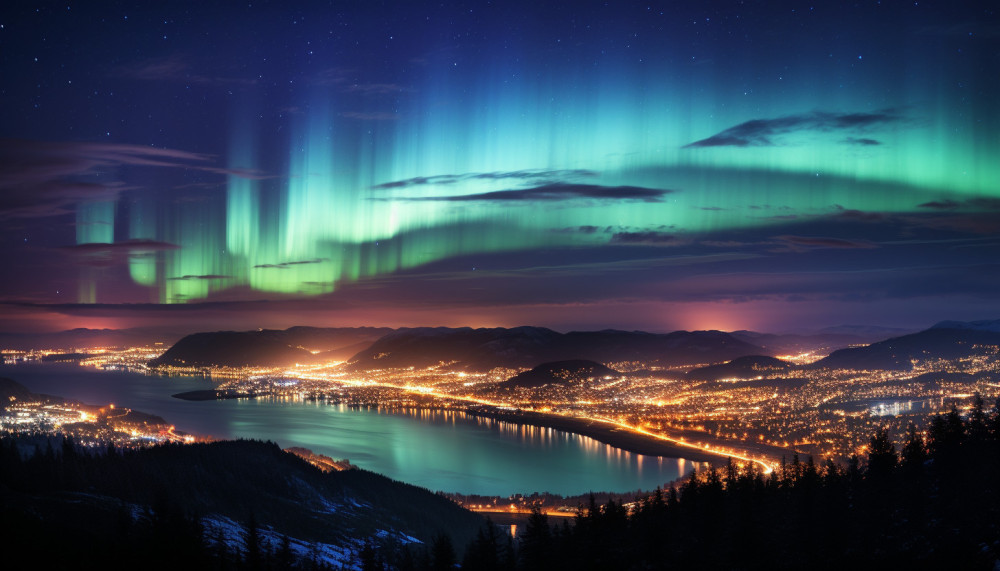
In northern destinations, the off-season has its own palette. Light becomes dramatic, water turns steel-grey, and the landscape feels closer, because you are not competing with a thousand lenses for the same viewpoint. You start to notice texture and sound: the slap of waves against a quay, the hush after snowfall, the way a city’s interior spaces, cafés, libraries, saunas, become social infrastructure rather than mere stops between landmarks.
This is where planning matters. Off-season travel rewards travellers who treat weather as a parameter, not a spoiler: layering, waterproof footwear, and flexible days are not glamorous, but they are the difference between feeling trapped indoors and moving with the place. The payoff is a destination that feels less curated, and more honest.
Small businesses show their real face
Want to know what a place actually eats? Come when it is not feeding a crowd. In high season, restaurants often simplify menus, add extra seating, and prioritise speed, which is rational, but it can also nudge dining toward the generic. Off-season, the dynamic flips: fewer covers allow kitchens to cook with more precision, staff can explain what is on the plate, and the local supply chain becomes more visible, from seasonal fish to regional cheeses and winter vegetables.
Economically, this is not trivial. Tourism employment in many destinations is strongly seasonal, and when demand collapses after summer, the pressure shifts to those who stay open, because they rely more on local regulars and a thinner stream of visitors. That can make your spending more targeted, and arguably more meaningful, because a meal on a quiet Tuesday in November often matters more to a small operator than the same bill in July. It also changes service culture: hospitality becomes less transactional, and more conversational.
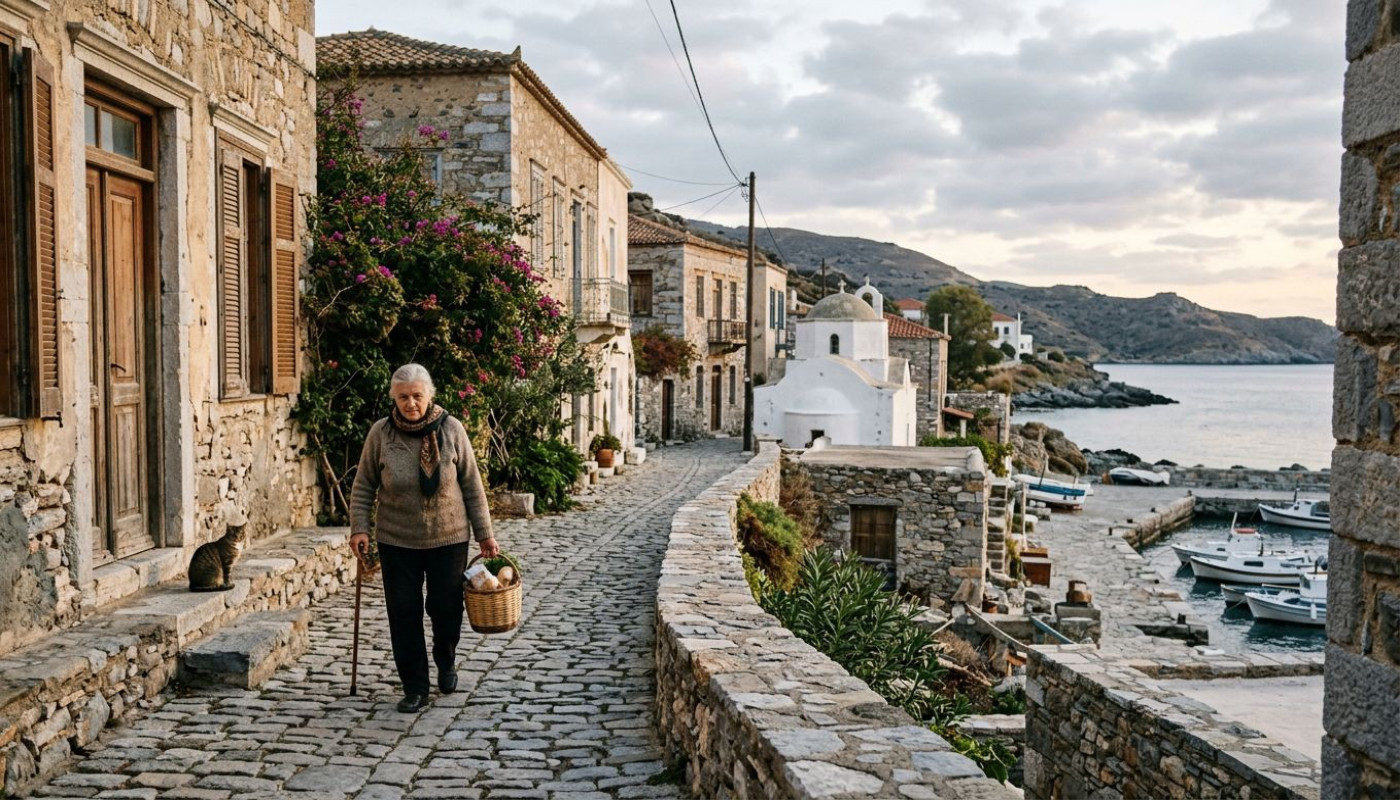
The same goes for guides, craftspeople, and independent museums. In peak months, tours can feel like conveyor belts, but off-season is when you can ask the extra question, linger over a detail, and get recommendations that are not optimised for the mass market. A guide might steer you toward a neighbourhood bakery rather than a landmark café, or explain a city’s political history instead of repeating a script designed for mixed groups.
For travellers, there is a practical implication: some businesses do close, and opening hours can shrink, so the best off-season trips are built around a few anchors and plenty of flexibility. If you want a city break that still feels well-supported, it helps to choose places with year-round infrastructure and a strong local culture, and to lean on reliable local operators for up-to-date timing, routes, and conditions, including options such as https://www.bergen-trip.com/ when you want to explore without guesswork.
The quiet months reveal what lasts
Here is the test: would you still go if nobody posted it? Off-season travel strips away the performance layer, because the destination is not in festival mode, and that makes it easier to see what is enduring. Architecture holds up or it does not, neighbourhoods feel welcoming or they do not, and cultural institutions either sustain curiosity year-round or rely on seasonal spikes.
That clarity can also change the way travellers move. With lower demand, trains and flights can be cheaper, and accommodation choices broaden, which lets people stay longer in one place rather than sprinting across a checklist. The shift aligns with what many sustainability researchers have argued for years: fewer hops, longer stays, and travel that is less concentrated in time and space reduces pressure on infrastructure and communities, even if aviation remains a major emissions source overall. The off-season is not a cure-all, but it is a lever that individuals can actually pull.
There is also a cultural dividend in the calendar itself. In many cities, autumn and winter are the seasons of local life: theatre programmes restart, concert halls fill, and sports fixtures create their own rituals. Even smaller, less advertised events, a book talk, a neighbourhood market, a seasonal food celebration, can offer a more accurate sense of belonging than a peak-season spectacle designed to absorb maximum footfall.
None of this means the off-season is always better. Some travellers want guaranteed sun, long opening hours, and the buzz of a packed promenade, and that is valid. The point is that the “best time to go” is not universal; it depends on what you are trying to learn. If your goal is to understand a place rather than simply consume it, the quieter months often provide the clearest signal.
Before you book, make timing work
Set a realistic budget, and price-check flights plus lodging across two nearby weeks; shoulder periods often unlock better value without pushing you into the deepest low season. Reserve key restaurants, ferries, and guided visits in advance when schedules are reduced, and look for local or national tourism passes where available. If you qualify for any transport discounts or cultural-entry reductions, apply early and keep documentation ready.
On the same subject

Why Some Journeys Change Your Mind: Hidden Impacts Of Unexpected Destinations

Breaking The Routine: Why Offbeat Destinations Change The Way We Travel

Why Chasing Off-the-beaten-path Excursions Changes Your Travel Perspective

Maximizing Your Stay At A Three-Star Urban Hotel
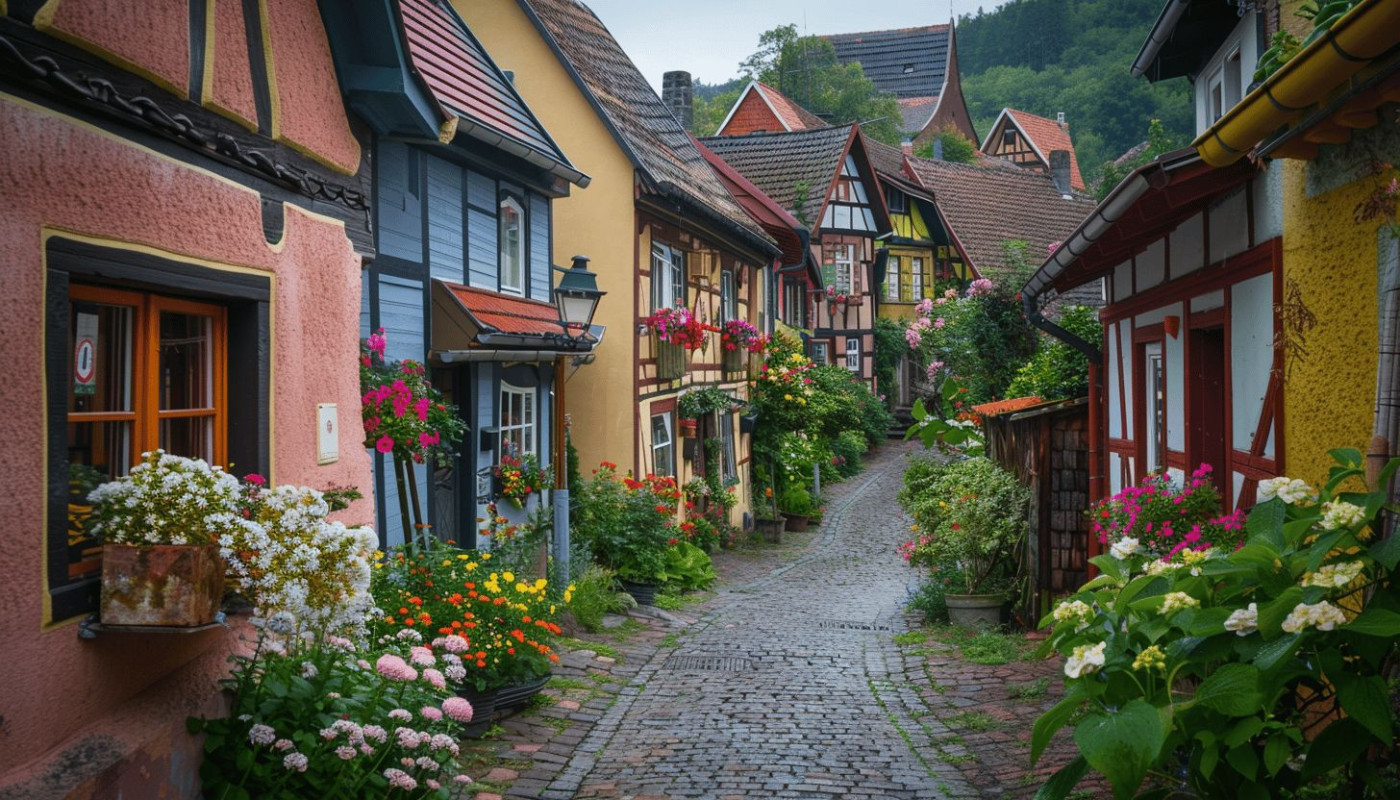
unveiling the charm of hidden european villages the ultimate destinations for off-the-beaten-path explorers

Exploring The Benefits Of Seasonal And Off-Season Luxury Camping